
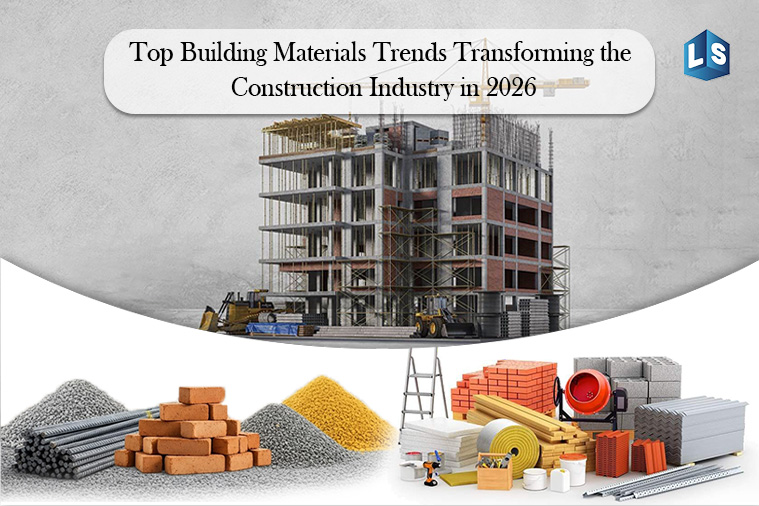
The construction industry is evolving rapidly as technology, sustainability, and modern design continue to influence how buildings are developed. One of the most important factors shaping this transformation is the use of innovative Building Materials. From eco-friendly solutions to smart materials that enhance durability and efficiency, the latest trends are redefining how architects, contractors, and developers approach construction projects.
In 2026, the demand for high-quality Building Materials is higher than ever as builders focus on sustainability, performance, and cost-effectiveness. Let’s explore the top trends that are transforming the construction industry.
1. Sustainable and Eco-Friendly Building Materials
Sustainability has become a major priority in modern construction. As environmental concerns grow, builders are increasingly choosing Building Materials that reduce environmental impact.
Eco-friendly materials such as recycled steel, bamboo, reclaimed wood, and low-carbon concrete are gaining popularity. These materials help reduce waste, conserve natural resources, and lower the overall carbon footprint of construction projects.
Green building materials not only benefit the environment but also improve energy efficiency and indoor air quality, making buildings healthier and more sustainable.
2. Smart and High-Performance Materials
Technology is playing a key role in the development of advanced Building Materials. Smart materials can adapt to environmental conditions, making buildings more efficient and durable.
For example, self-healing concrete is designed to repair small cracks automatically, reducing maintenance costs and extending the lifespan of structures. Similarly, smart glass can adjust its transparency depending on sunlight levels, helping improve energy efficiency.
These innovative Building Materials are transforming the way buildings are designed and maintained.
3. Lightweight Construction Materials
Another major trend in 2026 is the growing use of lightweight Building Materials. These materials are easier to transport, faster to install, and reduce structural load on buildings.
Materials like lightweight concrete, aluminum composites, and engineered wood are widely used in modern construction projects. They help speed up construction timelines while maintaining strength and durability.
Lightweight Building Materials also reduce labor costs and improve overall project efficiency.
4. Prefabricated and Modular Construction Materials
Prefabrication and modular construction are becoming increasingly popular across the construction industry. This approach involves manufacturing Building Materials and structural components in a factory before assembling them on-site.
Using prefabricated materials improves quality control, reduces construction waste, and speeds up project completion. It also helps developers manage costs more effectively while maintaining high standards.
As construction companies continue to focus on efficiency, modular Building Materials will play a major role in future projects.
5. Durable and Weather-Resistant Materials
With changing climate conditions, builders are now focusing on Building Materials that can withstand extreme weather. Durability has become a key factor when selecting materials for modern construction.
Weather-resistant materials such as fiber cement boards, treated wood, and advanced composite materials offer better protection against moisture, heat, and corrosion.
By choosing durable Building Materials, developers can ensure long-lasting structures that require less maintenance over time.
6. Energy-Efficient Insulation Materials
Energy efficiency is a top priority in modern construction, and insulation materials play a critical role in achieving it. New insulation technologies are helping buildings maintain comfortable indoor temperatures while reducing energy consumption.
Advanced insulation Building Materials such as aerogels, vacuum insulation panels, and eco-friendly foam solutions are becoming increasingly popular.
These materials help reduce heating and cooling costs while improving overall building performance.
7. Recycled and Reusable Materials
The construction industry is also embracing the concept of a circular economy by using recycled Building Materials. Materials like recycled concrete, plastic composites, and reclaimed metals are widely used in modern construction projects.
Recycling construction materials not only reduces landfill waste but also lowers the demand for new raw materials. This trend is helping the industry move toward more sustainable construction practices.
Conclusion
The construction industry in 2026 is experiencing a significant shift as innovative Building Materials continue to reshape building practices. From sustainable materials and smart technology to lightweight solutions and modular construction, these trends are improving efficiency, durability, and environmental responsibility.
By adopting modern Building Materials, builders and developers can create stronger, more sustainable, and future-ready structures. As technology and sustainability continue to advance, the role of innovative materials will become even more important in shaping the future of the construction industry.